86,400 Seconds in a Day: Formula, Leap Seconds & the Programmer’s Constant

There are 86,400 seconds in a day (24 × 60 × 60). Learn the formula, leap seconds, DST edge cases, and why programmers use 86400.
 mohsin hassan
There are 86,400 seconds in a day (24 × 60 × 60). Learn the formula, leap seconds, DST edge cases, and why programmers use 86400.
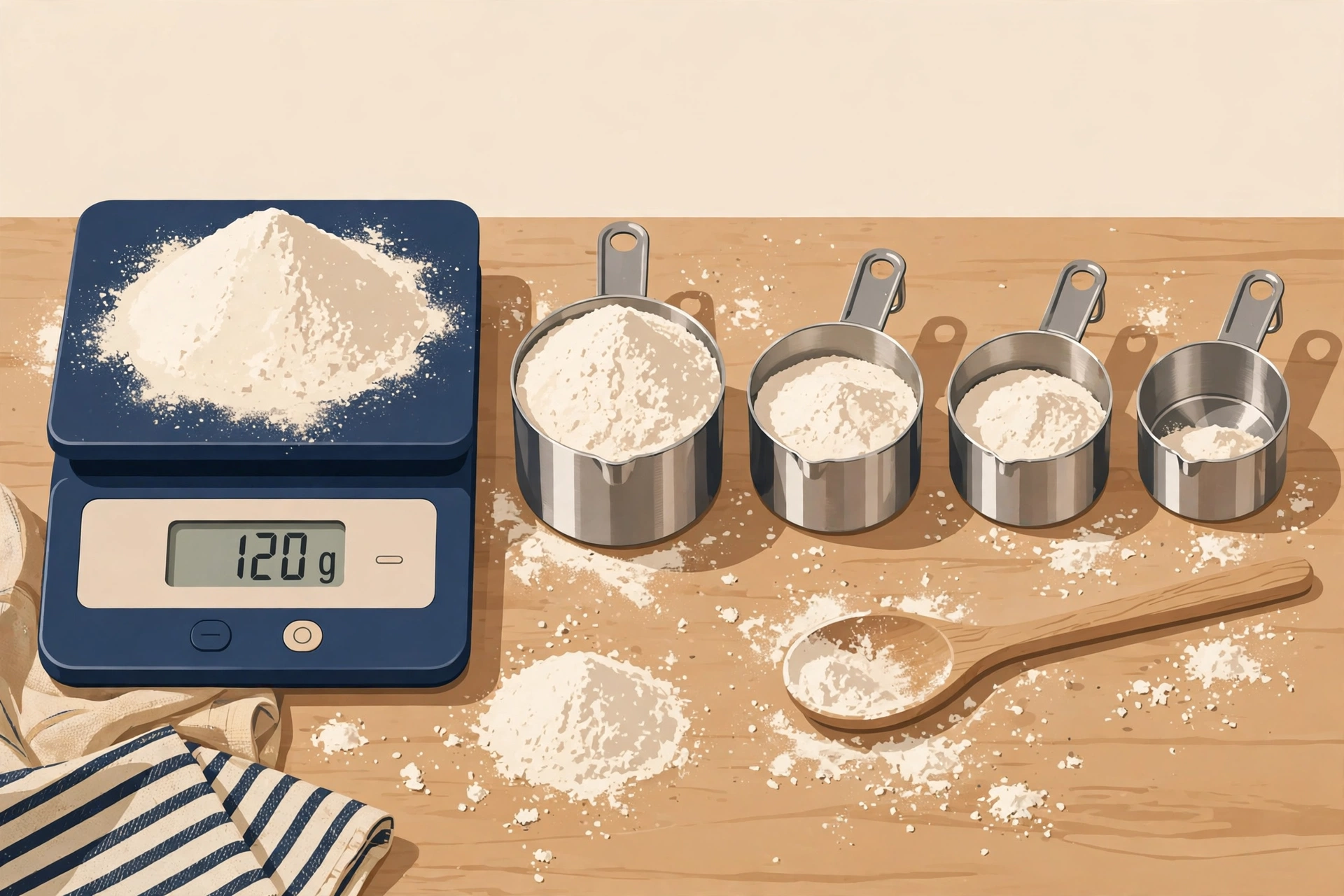
Here’s a kitchen experiment: type “100 grams of flour to cups” into three different converters. You’ll get three different answers — and not one of them will explain why. One assumes you spoon your flour (120g per cup), another assumes a different standard entirely (125g per cup), and a third might assume you scooped straight … Read more
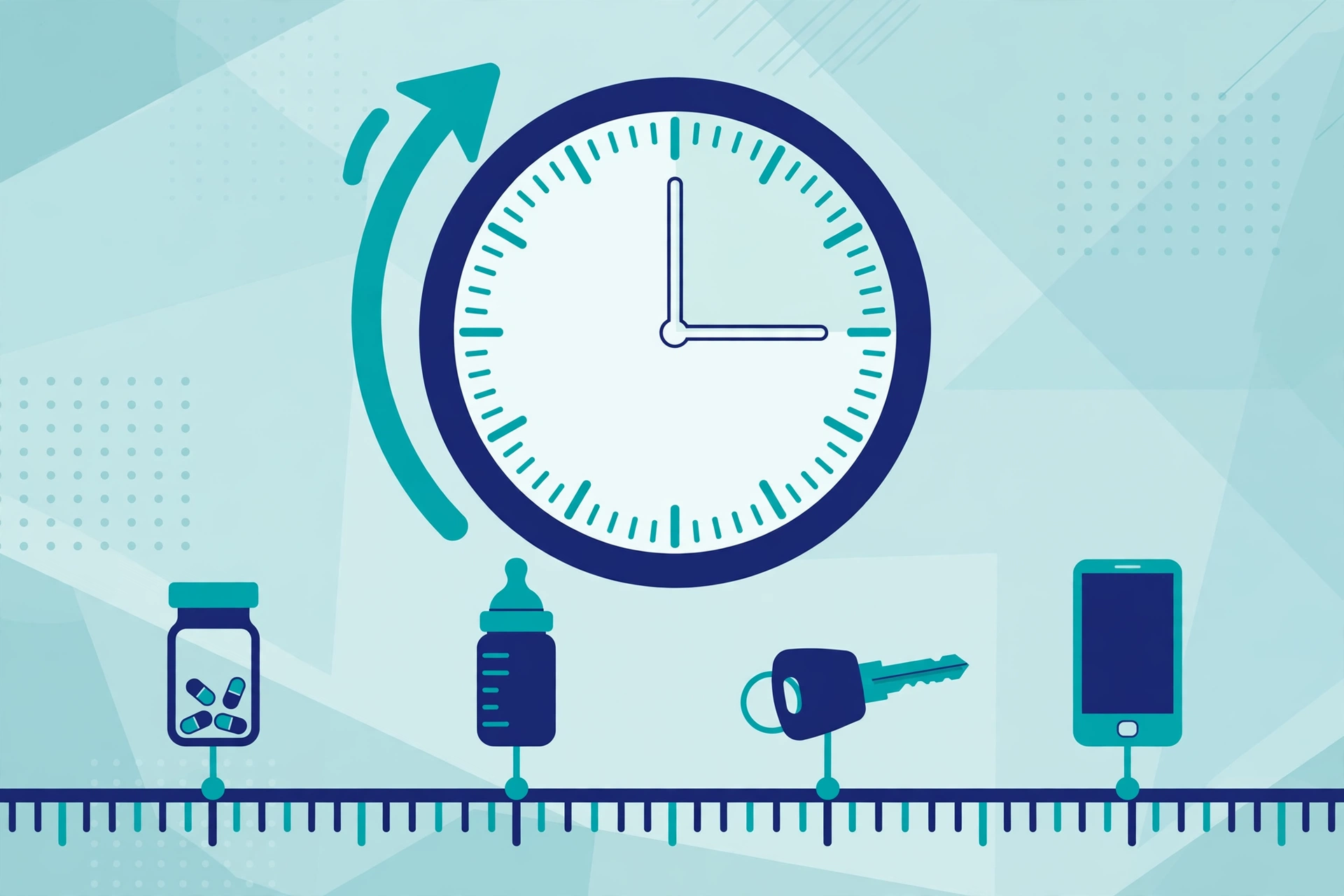
It’s a question that sounds trivial until you’re standing in a pharmacy wondering when you last took your pill, or staring at a parking ticket trying to prove when you arrived. “What time was it 5 hours ago?” is never really about arithmetic — it’s about reconstructing a moment that matters. Every top-ranking page gives … Read more

You worked the extra Saturday. Your overtime calculator says you earned $400. So why does your bank account only show about $250 of it? Because every overtime calculator on Google’s first page shows you gross pay — the fantasy number — while the real number, your take-home pay, hides behind federal taxes, FICA, and state … Read more
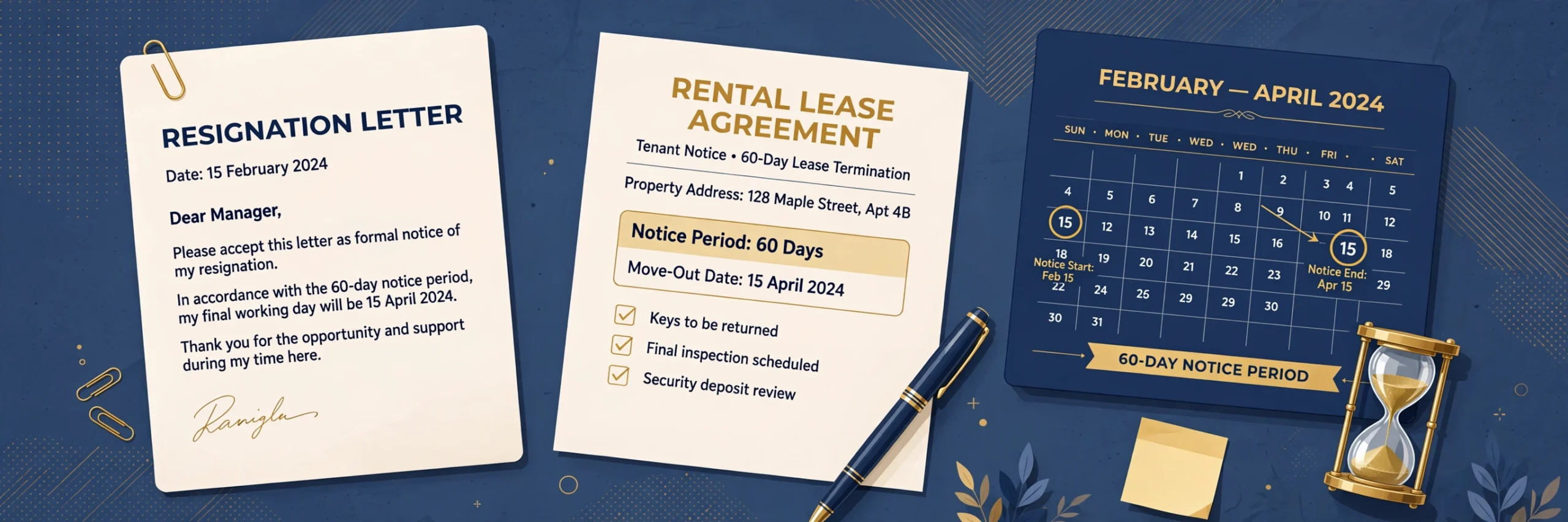
Sixty days sounds simple — count forward two months and you’re done, right? Not when the law, your landlord, or your client is involved. Google’s own search suggestions reveal the truth: people typing this query are really asking about 60-day notices and net-60 payment terms, questions where a single miscounted day can void a resignation, … Read more
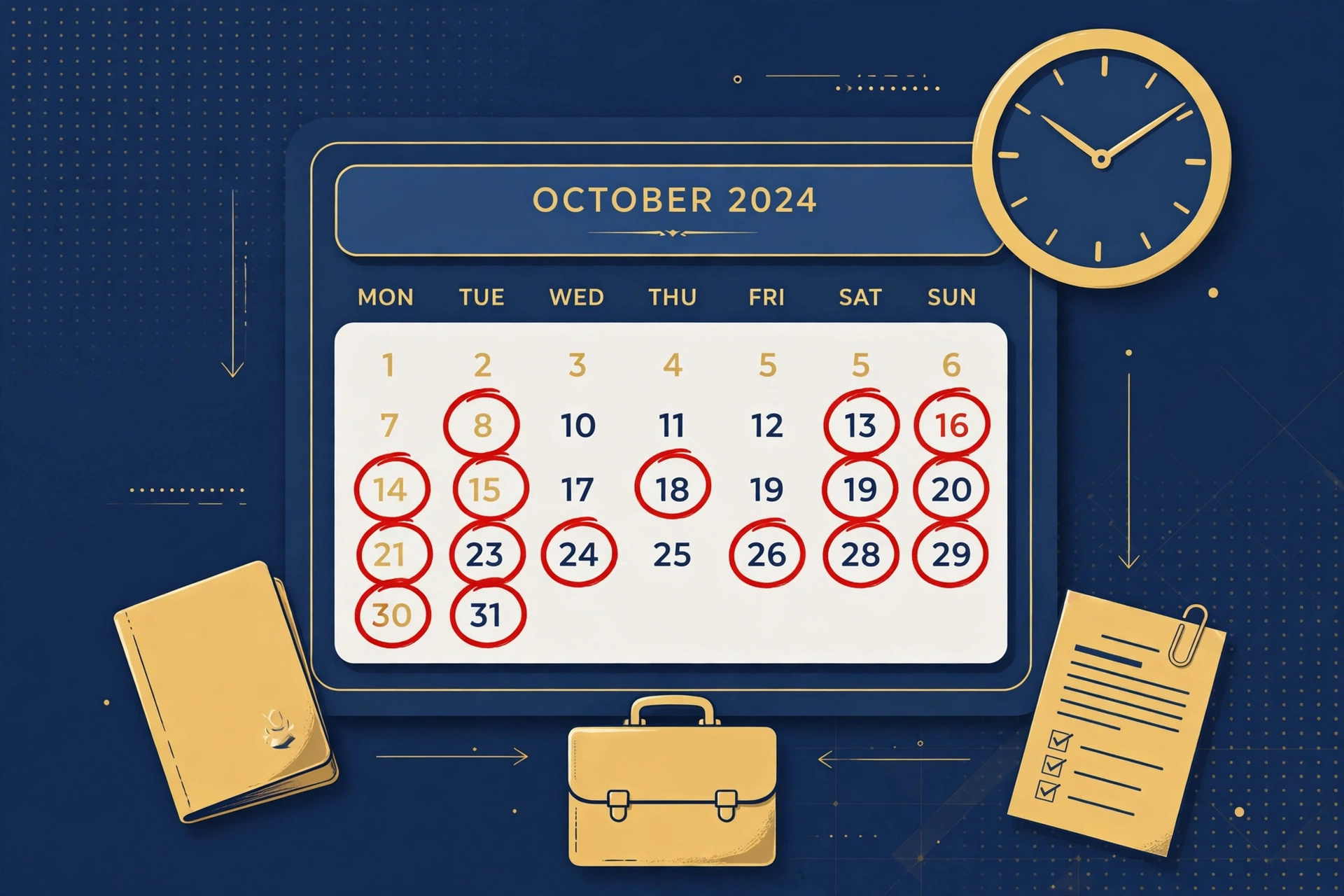
Type “90 days from today” into Google and you’ll get a date in under a second. What you won’t get is the thing that actually matters: whether that date is even the right one for your situation. A job probation, a Schengen visa stay, a money-back guarantee, a contract notice — each counts those 90 … Read more
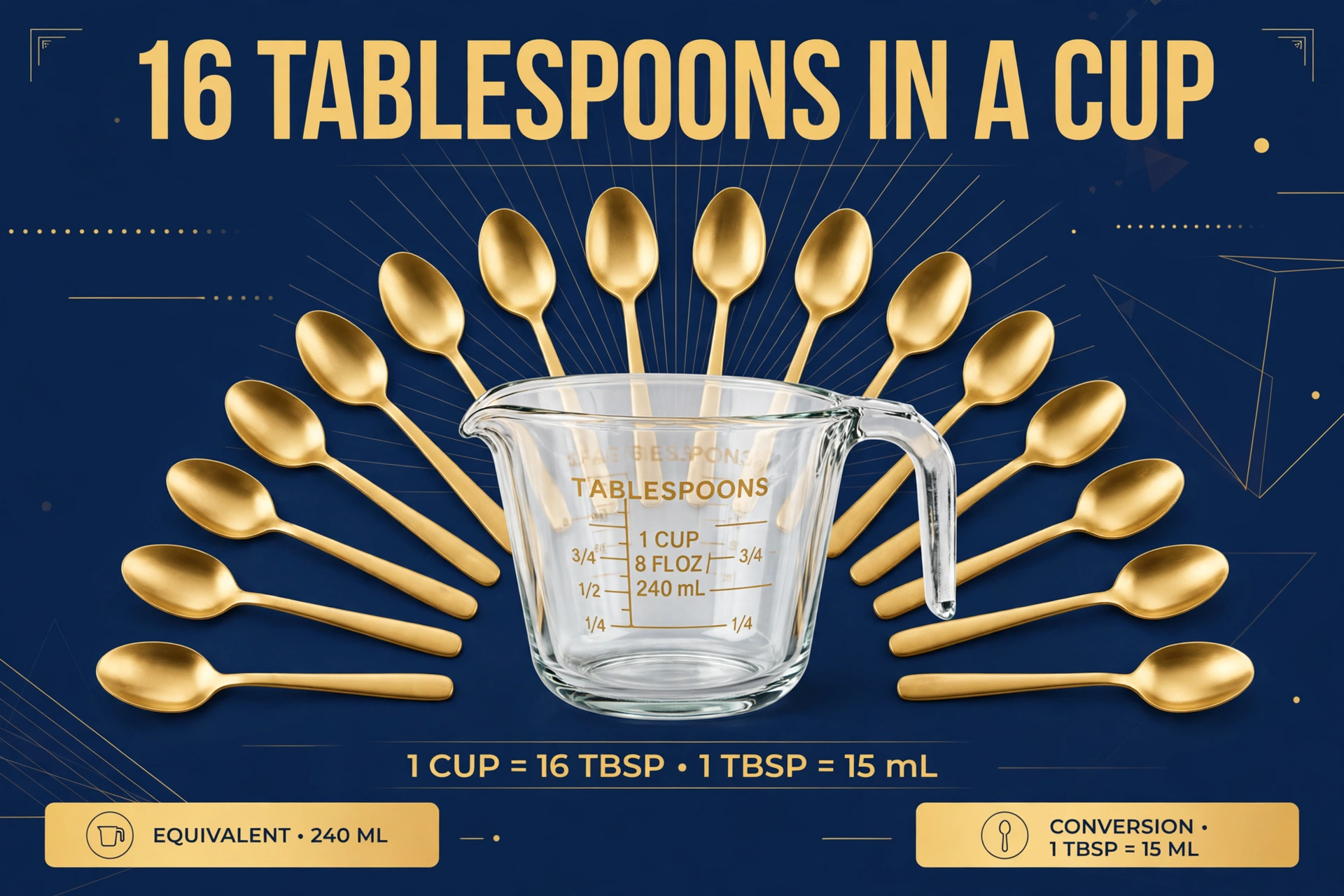
Sixteen is the magic number of the baking world. Cup-to-tablespoon conversions come up every time you scale a recipe, and the math is friendlier than it looks — with one notorious exception. Quick Answer: 1 US cup equals 16 US tablespoons. The 16 Rule One cup holds 16 tablespoons. That is because 1 cup = … Read more

Thirty-six hundred is one of those numbers that quietly powers modern life — from internet speed tests to parking meters to workout timers. It is simple multiplication with surprisingly wide reach. Quick Answer: 1 hour contains exactly 3,600 seconds (60 minutes × 60 seconds). The Calculation Each minute holds 60 seconds. An hour holds 60 … Read more
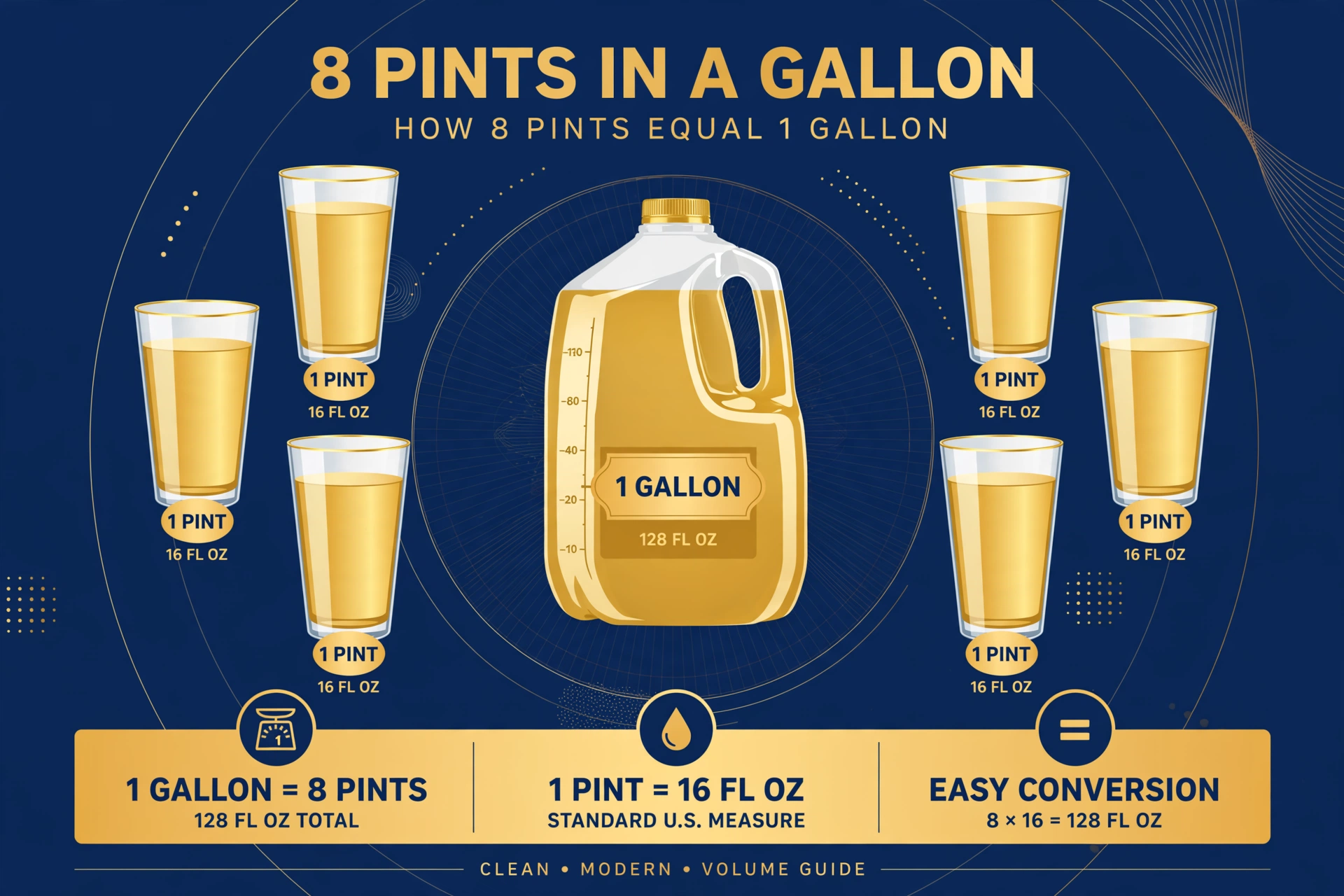
Here is a rare moment of agreement: both the American and British gallon contain exactly 8 pints. The pints are different sizes, so the gallons still differ — but the count is the same, which makes the pint a handy bridge between the systems. Quick Answer: 1 gallon equals 8 pints — in both the … Read more
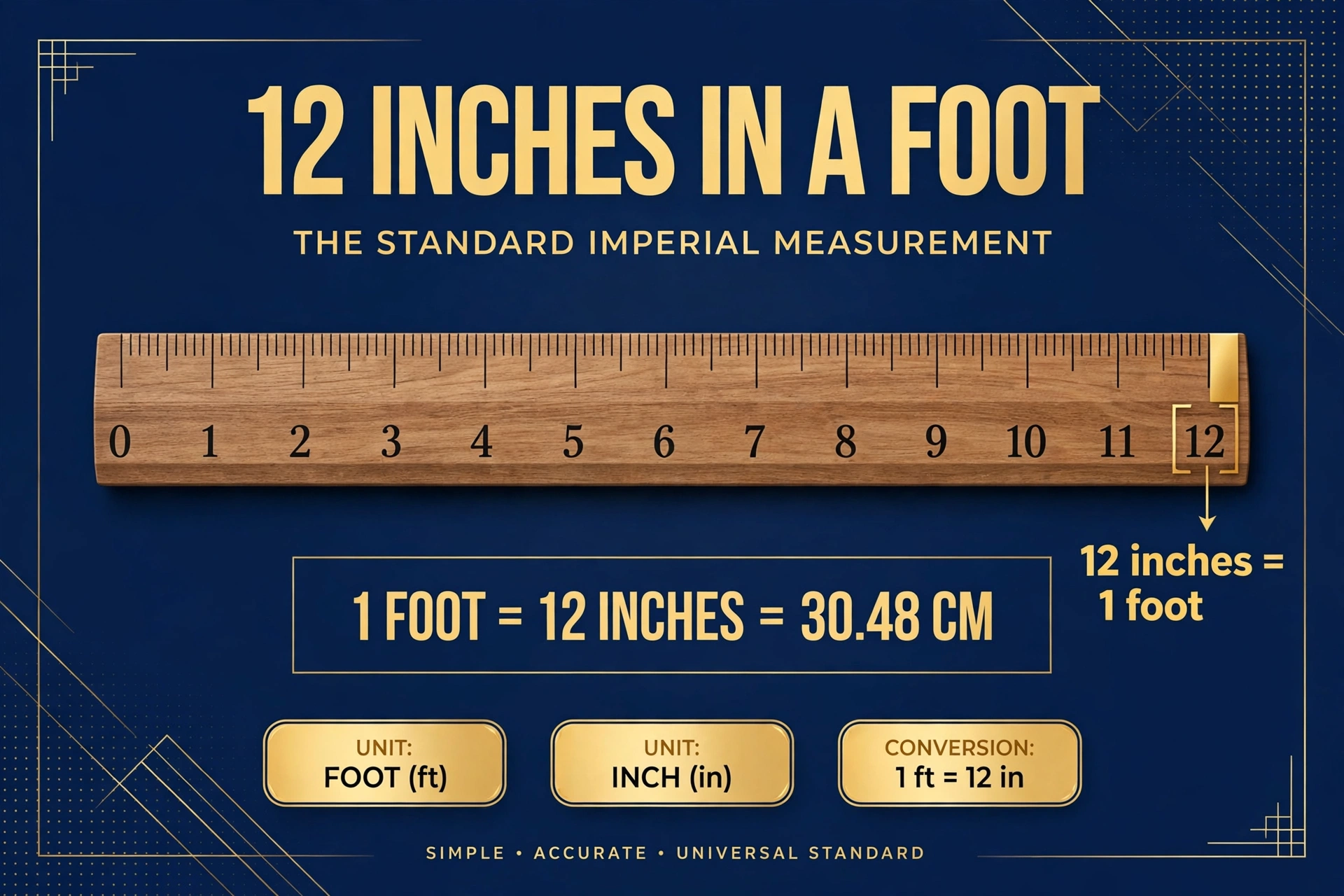
Twelve is one of the most memorable numbers in measurement, and the foot-inch relationship is the one everyone learns first. But why twelve? The answer stretches back to ancient body-based measuring. Quick Answer: 1 foot equals exactly 12 inches. Why Twelve? Twelve divides evenly by 2, 3, 4, and 6 — far more useful than … Read more